

People who have used a camera for decades remember when horizontal was the default way to take a photo. If an everyday person turned the camera sideways for a vertical shot, that was considered a fancy technique.
For much of the film era—especially with 35 mm cameras—the landscape (horizontal) orientation was treated as the “normal” way to frame a picture. Reasons included:
- Viewfinder design: Most viewfinders and rangefinders were naturally wider than tall, so holding the camera level felt more natural.
- Print formats and screens: Photo albums, slide projectors, and early television screens were all wider than tall, so horizontal matched the standard display.
- Casual snapshot culture: Family and vacation snapshots were usually scenes—groups of people, landscapes, street views—where horizontal felt natural.
Turning the camera vertically (portrait orientation) signaled that the photographer was thinking deliberately—perhaps shooting a person head-to-toe or emphasizing height. Magazines and fashion photographers used it often, but for the casual shooter, it looked “fancy” because it required conscious effort.
Today, smartphones have flipped that norm. Because we naturally hold a phone upright, vertical is now the casual default, and horizontal sometimes feels like the “special” choice. It’s a quiet but striking example of how technology reshapes visual habits over time.
To this day, I shoot almost 100% horizontally. It simplifies my photo albums. I don’t have a glut of vertical photos. If I do need a vertical photo, it’s much easier to crop a horizontal photo.
On the flip side, if you shoot mostly vertical, it’s really hard to crop that vertical photo into a horizontal. I think that’s because people try to get up as close as they can with the vertical. The person’s entire body fills the frame. Or even closer. If you crop the vertical photo, you crop out most of the subject.
But with a horizontal photo, you include more of the background. You get more of the context. I love context in photos. Backgrounds give more to the story.
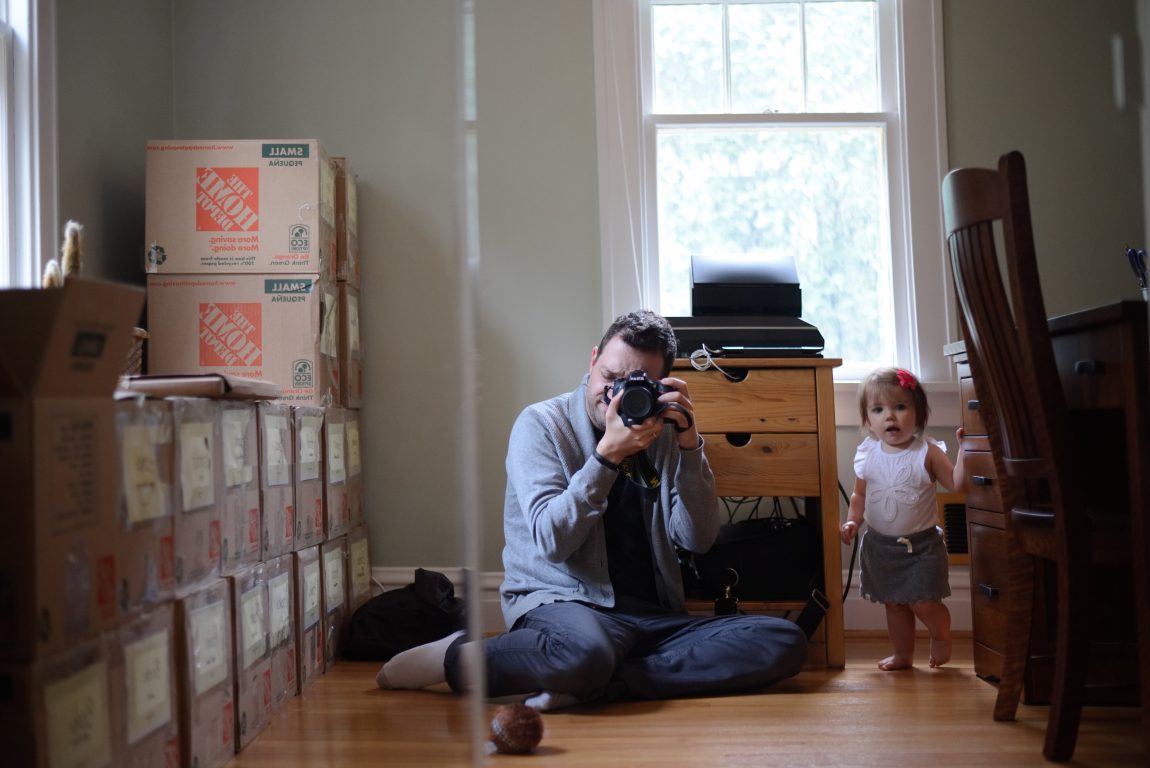
Plus, tell me the orientation of your TV.
What orientation is your computer monitor?
What orientation is your laptop screen?
Answer: all horizontal.
In photo albums, what orientation do you tend to see? Mostly horizontal. I shoot horizontally because that’s how my photos will end up being used. Don’t even get me started on people who shoot videos in vertical format. That should just be common sense to record videos horizontally.
Why I continue to photograph horizontally
- Easier cropping. Need a vertical image? Crop a horizontal. But try making a horizontal from a tight vertical—good luck.
- Richer context. Wider frames capture background and setting, giving a photo more story.
- Better fit everywhere. TV, laptop, desktop monitor, photo books—nearly every viewing surface is horizontal.
If you only want to view your photos on your tiny handheld screen, that’s cool. Your phone is held mostly vertical, so you shoot vertically. It’s easy. But if you want better photos, try to shoot horizontally. Trust me, you’ll love it. And your photos will look better in all the other media too.
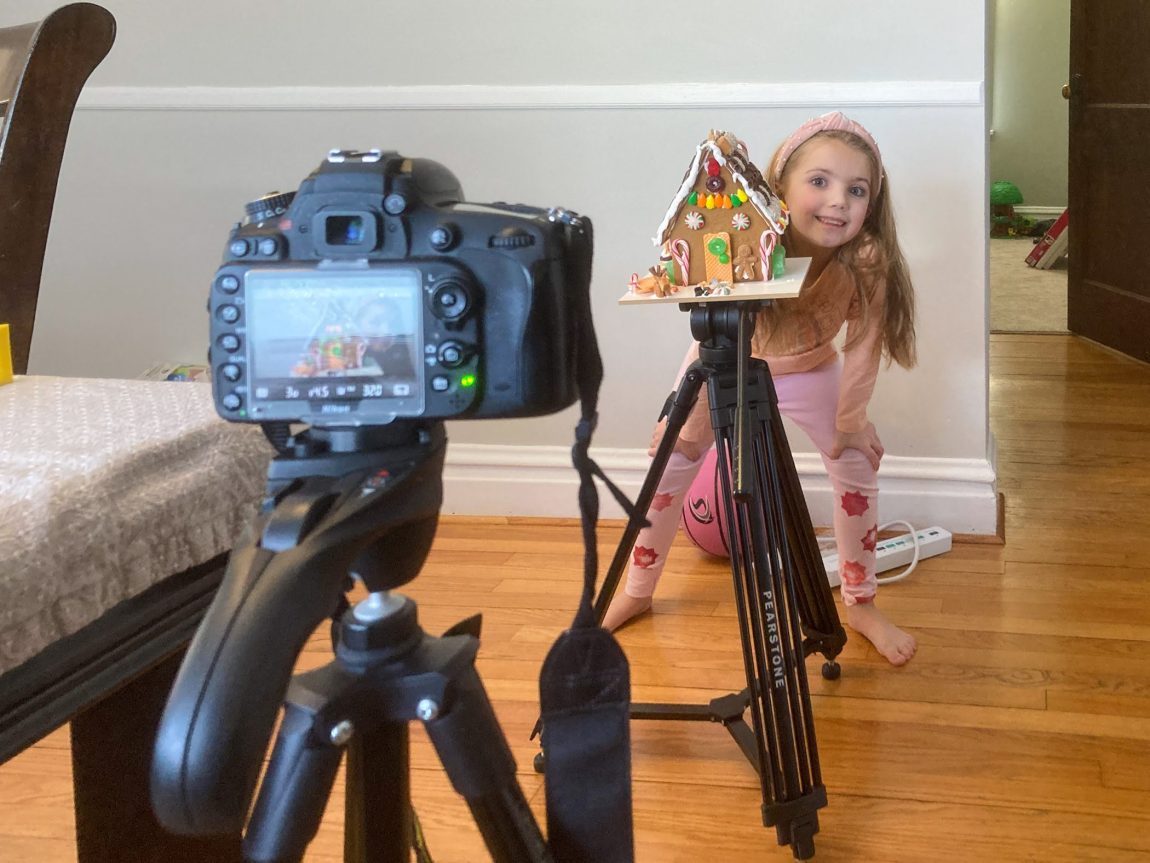
When I was at The Taste a gentleman walked up to me and asked me to take a photo of him, his date and another couple. He gave me his phone and I turned it for a vertical shot. Then I lowered it and took a couple of steps forward. I took the picture (and 2 more) and gave him his phone back. He thanked me and I walked towards a food truck. He called me and I turned around and he said “I’ll never take a horizontal picture again. These are amazing!” Glad I could help
I’m glad this gentleman enjoyed his photos. I can guess three things about this gentleman.
1. This gentleman doesn’t crop his photos.
A horizontal photo would include them, and more context on the left and right. Later on, if he wants just a photo of them without the extra background, he can crop it. A cropped horizontal photo could become a beautiful vertical photo.
But if you shoot exclusively vertically, you miss out on all the extra context the photo offers.
These days, cameras have enough megapixels that, if you crop the photo, you’ll still have enough resolution for fine print.
2. His photo albums might be a mess.
If he prints his photos, he will store them in a photo album, and they will be sideways. Which is completely fine to have sideways photos in a photo album. Personally, I like all my photos to be in the same orientation, so I don’t have to turn my head or the album to see the photo upright.
There is a chance this fellow makes photo albums but uses something like Snapfish, where you can put a vertical photo into the layout. That’s great! However, most photo albums are horizontal. If you want this image to appear large on a single page, you’ll have plenty of space on either side of the photo. If the image were originally horizontal, then you’d be able to fill up the entire page.
3. He might possibly view photos only on his phone.
As with most people these days, photos don’t go beyond the phone. I know many people who don’t even download photos from their phones! They stack up thousands of images on their phone. Then, when the phone’s storage is full, they “archive” the photos in Google Photos. I love Google Photos, but it’s NOT a place to archive your photos. Photos really need to live on an external hard drive so you can control them. Plus, Google Photos compresses the images.
Anyhow… to the point, if this person wants to view his photos exclusively on his phone, that’s cool. They will look beautiful in vertical format.