

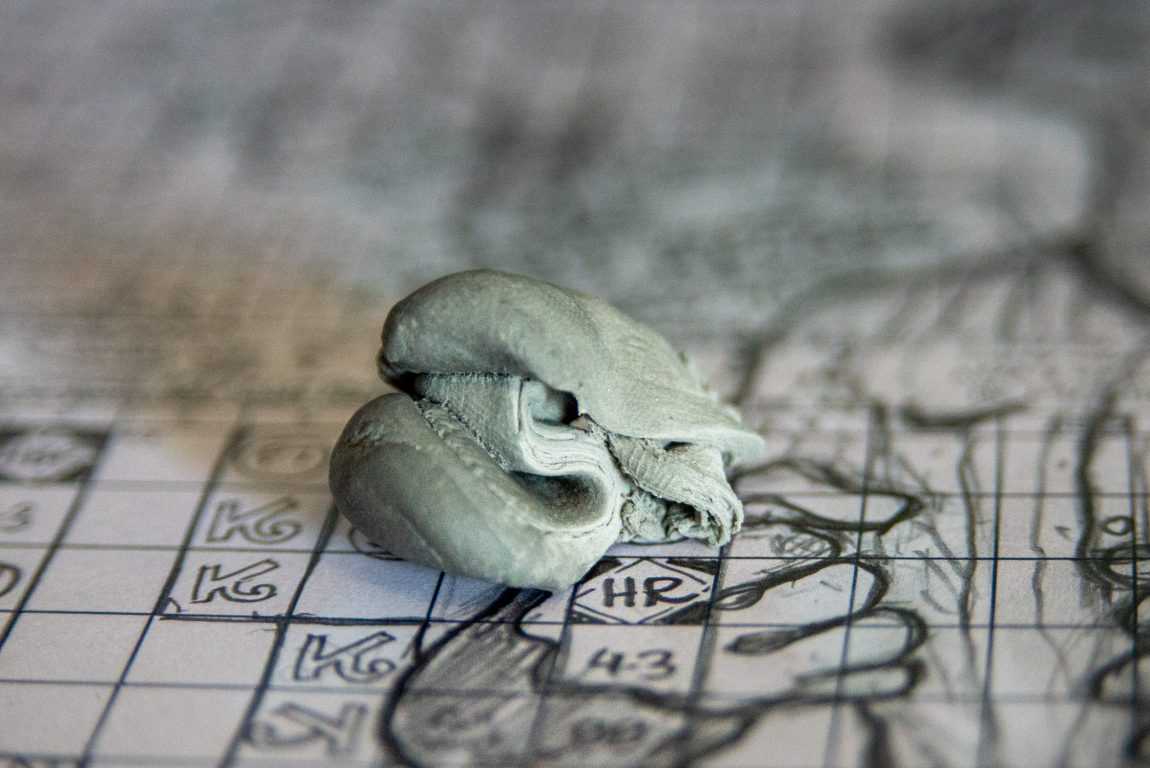
As I got back into drawing baseball scorecards, I found myself with a kneaded eraser sitting on my desk again. And if you’ve ever had one nearby, you know: you can’t not play with it. These little lumps of rubber are irresistible—stretchy, pliable, quietly addictive. You knead it. Roll it. Tear it apart. Smush it back together. Mostly, it just hangs out in your hand while you think. It’s the one item in your pencil case that’s fun and functional.
But have you ever stopped to wonder: what is this thing actually made of? Why does it stay soft forever? Why does it erase so cleanly without leaving crumbs?
Turns out, kneaded erasers have a surprisingly interesting backstory—one that overlaps with chewing gum, tires, and even lip gloss.
The main ingredient in a kneaded eraser is polyisobutylene — a synthetic rubber known for staying soft, flexible, and tacky over time. This isn’t just an artist’s tool material; polyisobutylene is used in a surprising variety of everyday products, including:
- Chewing gum base, it’s non-toxic and doesn’t dry out — but if your eraser starts whispering “chew me,” put down your pencil and take a walk
- Tire inner tubes, because it’s airtight and elastic
- Sealants and caulks, weatherproof and stable
- Medical products, such as adhesive patches for backaches and sprains. Polyisobutylene helps these patches stick securely to the skin while remaining flexible.
- Cosmetic products, such as lip gloss or skin creams, help create a smooth, lasting finish.
Here’s what Polyisobutylene looks like in raw form.
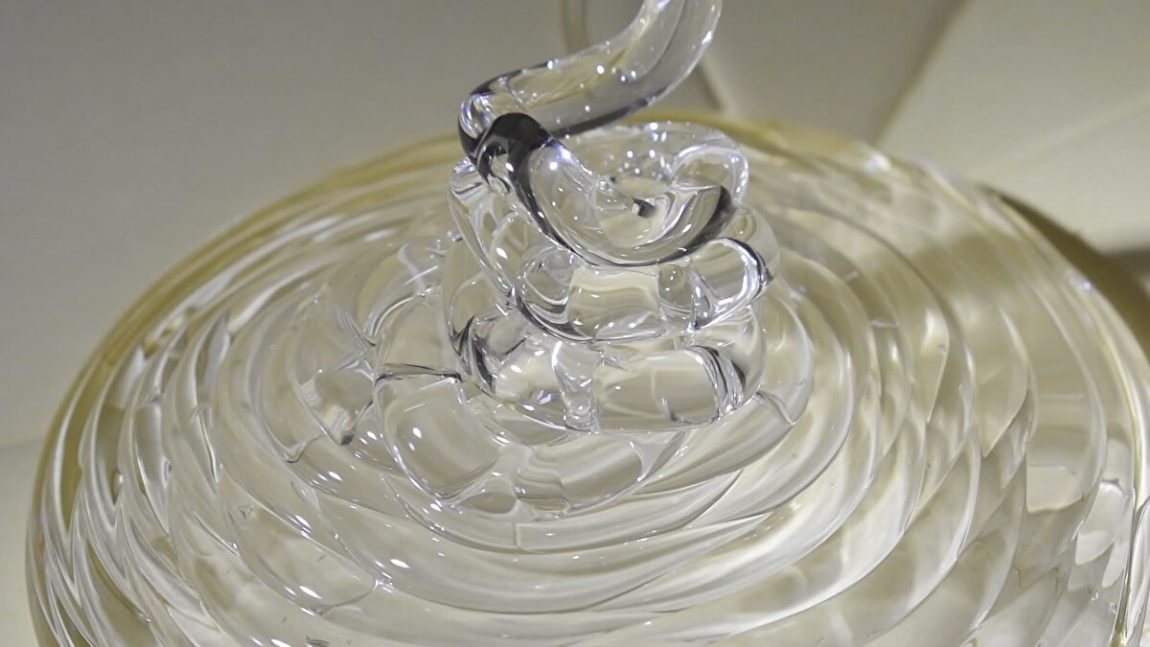
Who knew polyisobutylene was so goopy and drippy? (official term: viscoelastic)
How polyisobutylene becomes a kneaded eraser
Polyisobutylene alone wouldn’t erase anything. To make a kneaded eraser that works, manufacturers add a few key ingredients:
- Plasticizers such as mineral oil or paraffin oil are used to keep the rubber soft and easy to shape.
- Fillers and abrasives like pumice, calcium carbonate, silica, or titanium dioxide. These powders give the eraser a gentle scrubbing ability to lift graphite, charcoal, or pastel from paper without damaging it or leaving crumbs. (These silica fillers are also used in clay to give it its body. The more silica, the coarser the clay. Fewer fillers, and the clay will be smooth like porcelain. That’s why kneaded erasers feel like clay, but erase like rubber.)
- Colorants like carbon black or iron oxide give the eraser its characteristic gray, pink, or other colors.
- Antioxidants and stabilizers prevent the eraser from aging, yellowing, or breaking down over time.
Why it works
This combination creates an eraser that’s soft, reusable, and effective at cleaning marks from paper without leaving dust or residue behind. It’s the same stretchy, tacky polyisobutylene that makes chewing gum chewy and keeps tires airtight — repurposed in a form artists can mold and use again and again.
Now I’m tempted to sculpt mine into a tiny tire. Or a stick of gum. Or maybe just get back to erasing that stray pencil mark. If you’ve got a kneaded eraser lying around, give it a squeeze — and maybe, now that you know what it’s made of, a little extra appreciation too.