

A few days ago, I wrote a blog post titled Design flaws in Mark Zuckerberg’s $900,000 watch, where I explored how the chaotic alignment of the screw heads on his Greubel Forsey ‘Hand Made 1’ mirrored Facebook’s decision to remove fact-checking. I criticized the randomness of the screws as a design oversight, a symbol of disorder that reflected the chaos of unregulated information on the platform.
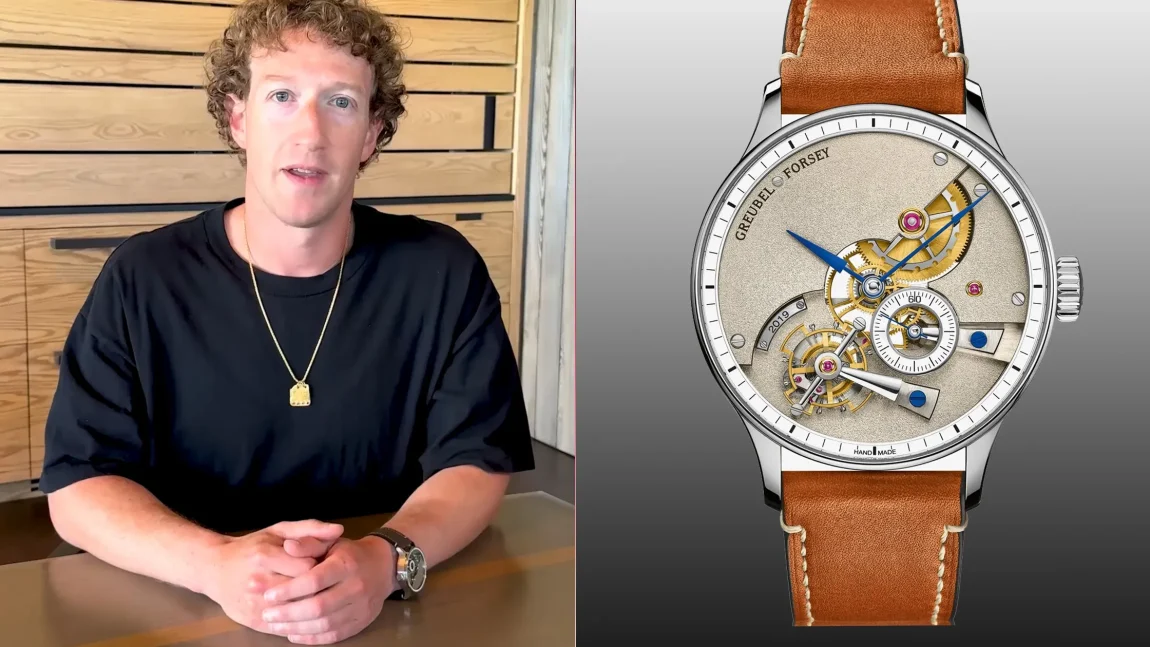
Since then, I’ve continued thinking about the watch, and my perspective has expanded. While the screws’ lack of alignment initially struck me as chaotic, I now see them as representing craftsmanship and control. This is not a contradiction but a continuation of my thought process—one that delves deeper into the watch’s symbolism. Let me make it clear: my exploration of the watch’s design is not an endorsement of Zuckerberg’s policies, particularly his removal of fact-checking on Facebook. I remain firmly opposed to that decision and the broader implications it has for misinformation and societal trust.
The craftsmanship of the watch
At first glance, the misaligned screws might seem like an oversight. Yet, this design choice is intentional, emphasizing the handmade nature of the watch. Each screw is tightened precisely to fit the material snugly, prioritizing function over aesthetics. Over-tightening could strip or crack the material, while under-tightening would leave it too loose. The result is a watch that listens to the material, letting it be what it is, rather than forcing it into submission. This decision speaks to the essence of craftsmanship: respecting the process and the materials involved.
Time as a human construct
Time itself is a human-made concept, much like the physical watch. The handmade quality of Zuckerberg’s watch mirrors this parallel. Just as the watch is carefully constructed by human hands, time is carefully defined and measured by human minds. This link highlights the mastery of humans over the intangible—the ability to take something abstract, like time, and give it structure.
Power and influence
For someone with Zuckerberg’s level of power and influence, the watch becomes more than an object. It’s a symbol of his role in shaping society. Historically, the first clocks were displayed by banks, signaling control over time and, by extension, money. Similarly, Zuckerberg’s watch reflects his ability to define societal constructs. His decisions—like allowing misinformation to spread unchecked on Facebook—demonstrate his mastery over outcomes, setting the parameters of what is considered real or true.
The watch aligns (or perhaps misaligns) with his role as a tech leader who shapes the digital world. By wearing a handmade watch, Zuckerberg aligns himself with the craftsmanship of constructing not just physical objects but also societal rules and norms. This object reinforces his identity as a sort of “creator”—one who molds the framework of reality for billions of users.
The contrast to mass production
Most modern watches are factory-made, with little connection to their human creators. Zuckerberg’s watch stands apart, emphasizing intentionality and individuality. It’s a reminder that someone painstakingly put the gears together, one piece at a time. This uniqueness parallels Zuckerberg’s self-perception as a visionary: someone who personally shapes and defines the systems we live by. In his mind, it’s one person, himself, that is turning the gears and twisting the cranks to manipulate humankind.
Mastery over time
Ultimately, the watch encapsulates a powerful message: mastery. It represents the precision and care needed to construct both the physical and the conceptual. Zuckerberg’s choice underscores his influence over both—his ability to set the rules, not just for himself, but for society at large. His desire to spend extraordinary wealth on a watch is a testament to his desire to control something as fundamental as time.
In this light, Zuckerberg’s watch is more than an accessory. It’s a symbol of power. Is society willing to bend the knee to the man who wishes to bring more chaos into society? When chaos is introduced, leaders are needed more than ever. Zuckerberg positions himself as such a leader—not through consensus but through dominance, defining the rules by which billions must play.
This watch, with its intricate design and misaligned screws, reflects both the allure and danger of his approach. It reminds us that control, whether over time, information, or society, is never neutral. The question is: will we let this vision of mastery shape our collective reality, or will we demand a different kind of leadership—one built on transparency, trust, and shared humanity?