

Here’s a great idea. Wear a t-shirt that says 闹痒痒怪物

When someone asks you what it means, you respond, “It’s Chinese for… I am the Tickle Monster!”—and you immediately start tickling the person. Or if you don’t feel comfortable tickling them, you just give a sly smile or laugh. I’m a dad of two young kids, so this will be fun in our house. (Obviously, only tickle people you know well who are comfortable with it—consent is key, even for the Tickle Monster!)
I’m going to get a t-shirt made with this phrase. If you’d like to as well, here’s the PDF file to download.
Or buy the shirt from my CafePress store.
Why this is brilliant
The genius here is the delay. Someone reads your shirt, gets curious, asks you about it—and BOOM, they’ve walked right into your tickle trap. It’s like a linguistic ambush. The Chinese characters add mystery, the translation adds surprise, and you add the tickles (or the knowing grin).
Plus, you get to teach people a fun Chinese phrase. Win-win.
How do you say 闹痒痒怪物?
The transliteration of 闹痒痒怪物 is Náo Yǎngyang Guàiwù. It’s so much fun to hear this spoken. To hear “Náo yǎngyang guàiwù”, click on the speaker at Google Translate.
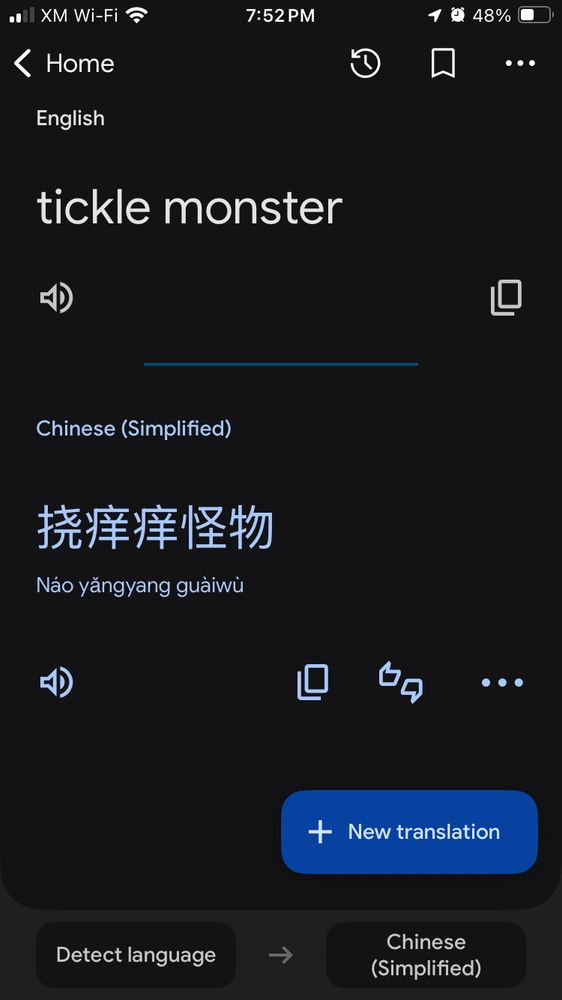
I love how “yǎngyang” sounds. It’s adorable and slightly ridiculous—which is perfect for a tickle monster.
What does “yǎngyang” literally mean in Chinese?
I’m getting the help of ChatGPT. Because I don’t know the answer. Here’s the literal breakdown:
痒 (yǎng) = “itchy” or “itch”
痒痒 (yǎngyang) = a reduplication of 痒 that makes it sound playful or light — sort of like saying “itchy-itchy”
So, 痒痒 literally means “itchy-itchy,” but it’s used colloquially to mean “tickle” or “ticklish.”
In everyday Chinese:
- “我怕痒痒” (Wǒ pà yǎngyang) = “I’m ticklish” (literally, “I’m afraid of itchy-itchy”).
- “挠痒痒” (náo yǎngyang) = “to tickle” (literally, “to scratch itchy-itchy”).
So while “yǎngyang” literally means “itchy-itchy,” in context it functions as “tickle.”
The next time you go to tickle someone, you could say, “I’m going to itchy-itchy you!” Which, of course, sounds weird. Google Translate was observant in adding “Náo” at the front of the phrase to smooth everything out.
What does the “Náo” in “Náo Yǎngyang Guàiwù” mean?
The word “Náo” (闹) in Chinese generally means to make noise, to cause a disturbance, or to be boisterous/mischievous — depending on context.
So in the phrase “Náo Yǎngyang Guàiwù” (闹痒痒怪物), literally broken down:
- 闹 (Náo) → to make a fuss, to cause trouble, to play around
- 痒痒 (Yǎngyang) → tickle or itchy
- 怪物 (Guàiwù) → monster or creature
Put together literally, “闹痒痒怪物” means something like:
“The tickle monster who makes mischief”
or
“The playful tickle monster.”So the “Náo” adds the idea of playful action or noisy fun — it’s not just a tickle, but a lively, teasing tickle.
Perfect! You’re not just any tickle monster—you’re a mischievous, playful one.
What does a Tickle Monster really look like?
Pro tip: If you’re brave enough to search for this phrase without the “Náo,” prepare yourself. Google Images reveals that Chinese e-commerce has a… unique interpretation of tickle monsters.
When you do a Google Image search for “痒痒怪物” (without the 闹), you’ll find some, um, interesting products.
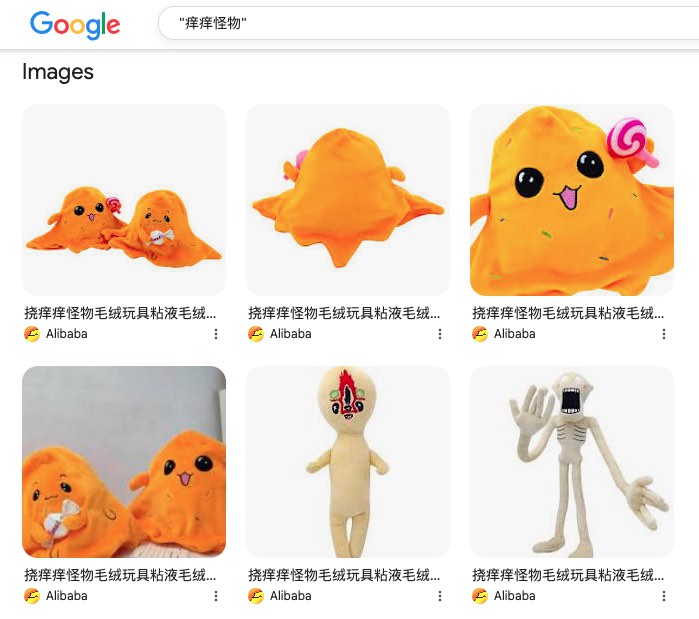
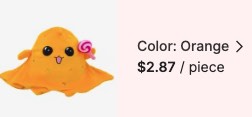
You can get the tickle monster for under three dollars—straight from China! It’s authentic.
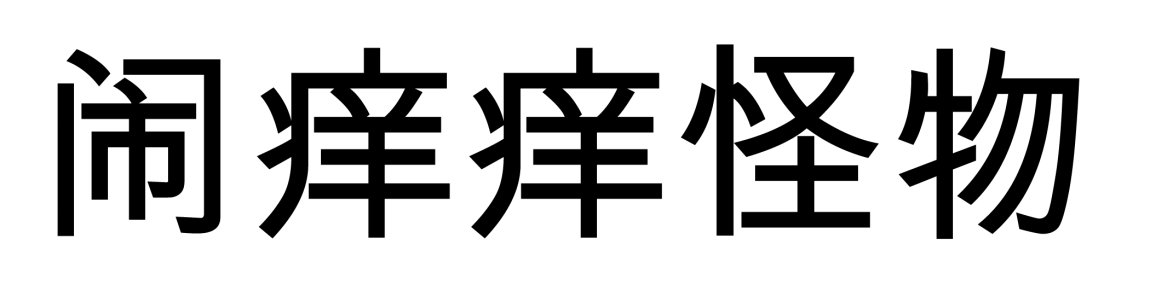
So grab the PDF, make yourself a shirt (or buy the shirt from my CafePress store), and wear it proudly. Remember: with great power comes great responsibility. Use your Tickle Monster powers wisely.
闹痒痒怪物 forever!