

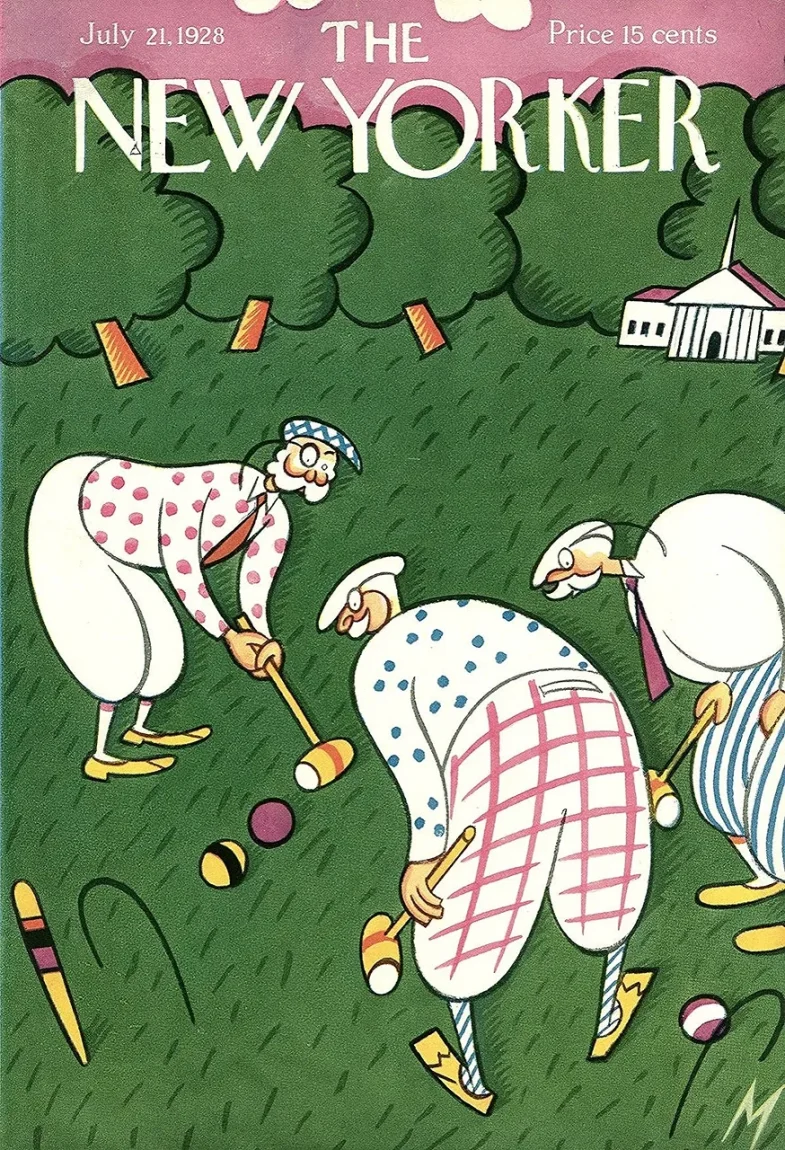
Ninety-eight years ago, The New Yorker put croquet on its cover.
Croquet is one of my favorite sports. It’s a sport of two extremes.
Side one: courts with grass mowed to putting-green shortness. Players in all white. Rules followed to the letter. I went to a tournament like this back in 2002. I wore jeans. Such a rebel.
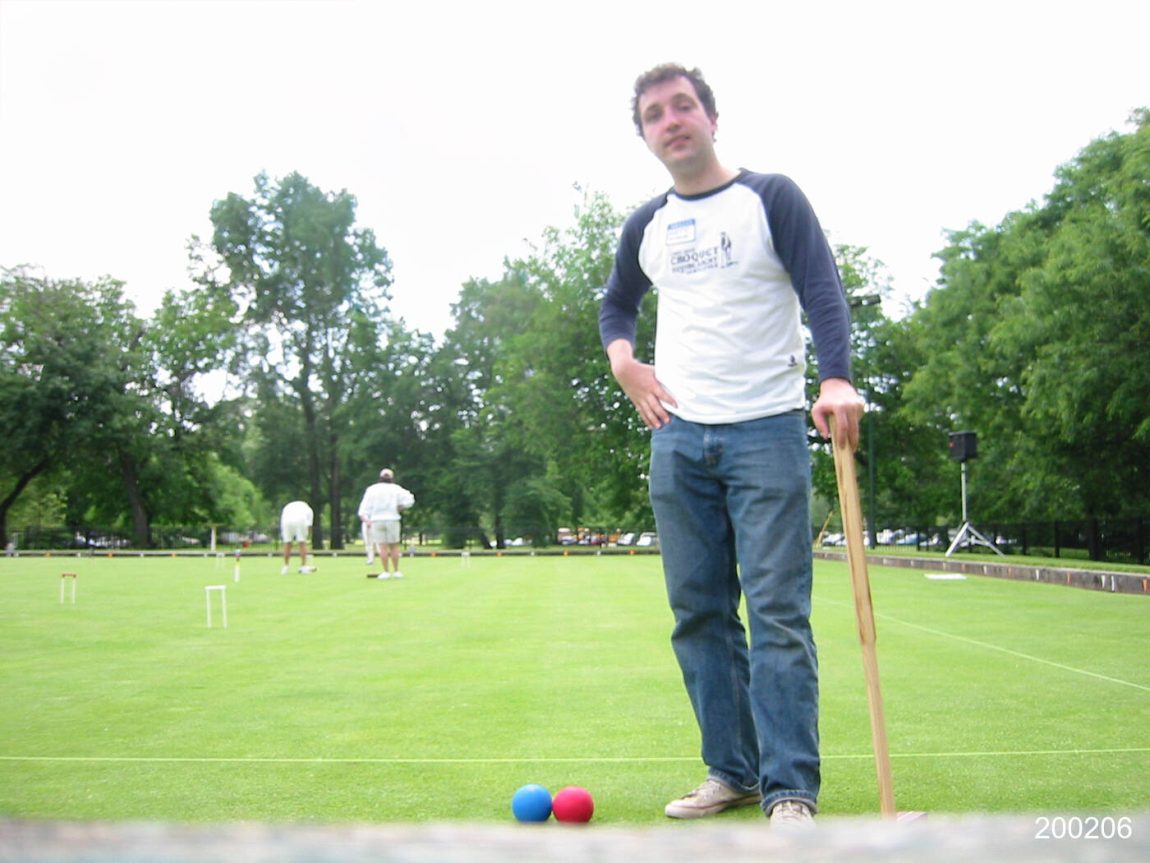
But that’s only one side of croquet.
Side two: your backyard. A ball smacked into the bushes on purpose, sent to kingdom come while everyone laughs. Is there any other sport where you toss your opponent’s ball off into the bushes? Nope, just in croquet. You can also play with crazy rules like warp zones and steel cage death matches. This is Xtreme Croquet. My family’s adventures are still online at chicagocroquet.com.

Two sides of croquet. One extreme says please. The other extreme says good luck finding your ball in the hedge. It’s such a wacky sport, I love it. When I saw croquet on a 1928 New Yorker cover, I got excited.
1928… 1928… did anything happen in croquet that year? (Looking it up…)
1928 was a big year in croquet. That’s the year Dorothy Steel’s three-year championship streak ended. Lily Beaton beat her. But Steel came right back and won the next two years.
Dorothy Steel was a phenom in the croquet world:
- 15× Women’s Champion
- 3× Croquet Champion
- 6× President’s Cup Champion
- 5× Doubles Champion
- 7× Mixed Doubles Champion
Her rookie card comes from the 1924 Gallaher British Champions of 1923 set. (Yes, I actually own this card. In 2012 I bought it for £2.95 on eBay from a seller in England)
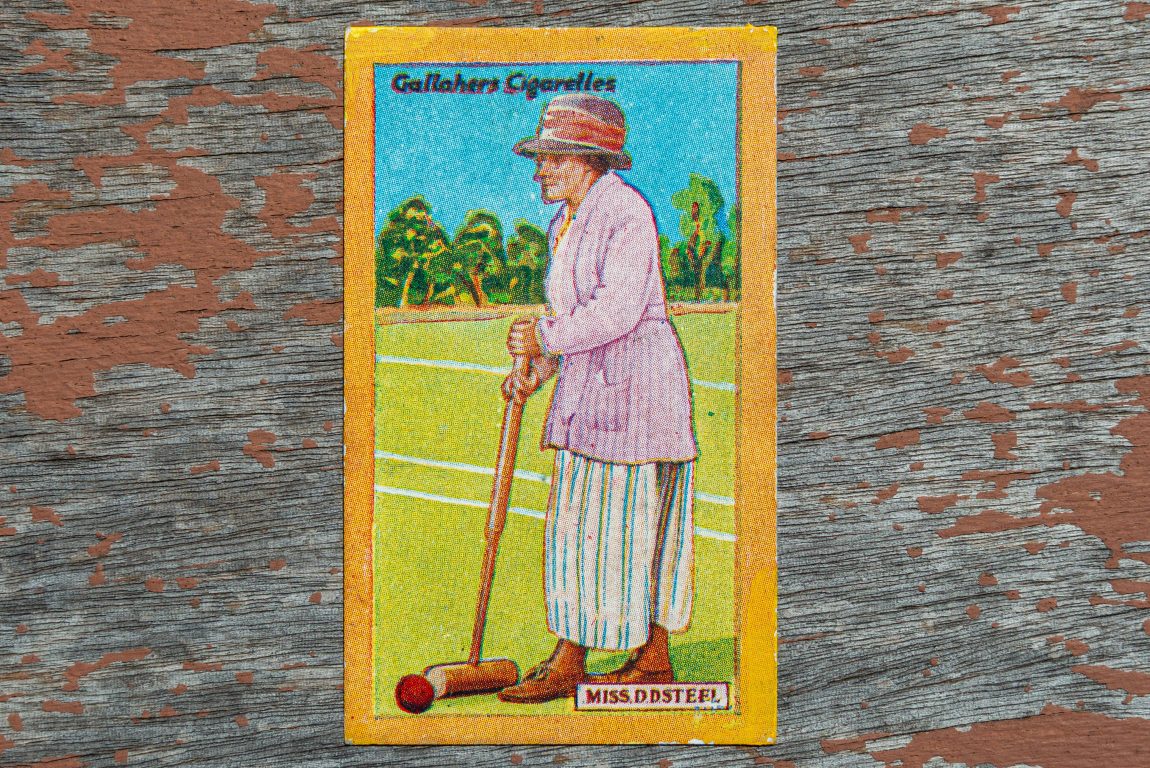
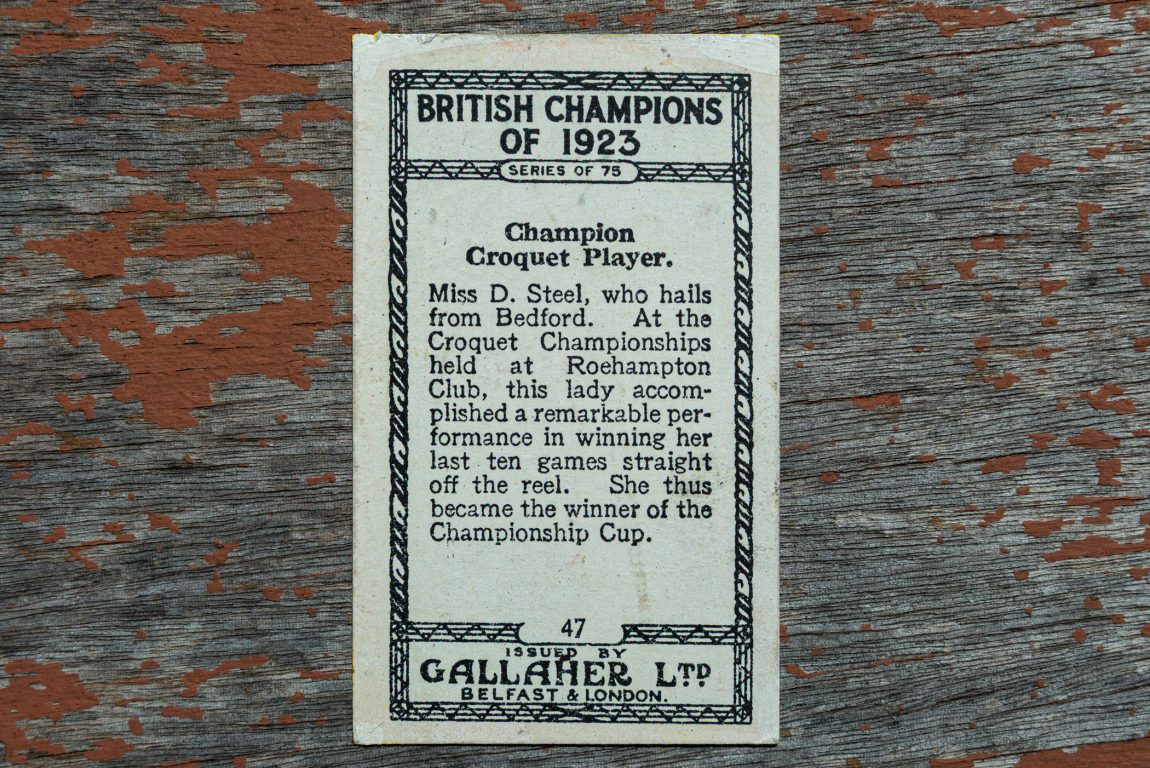
Because closeups are fun:
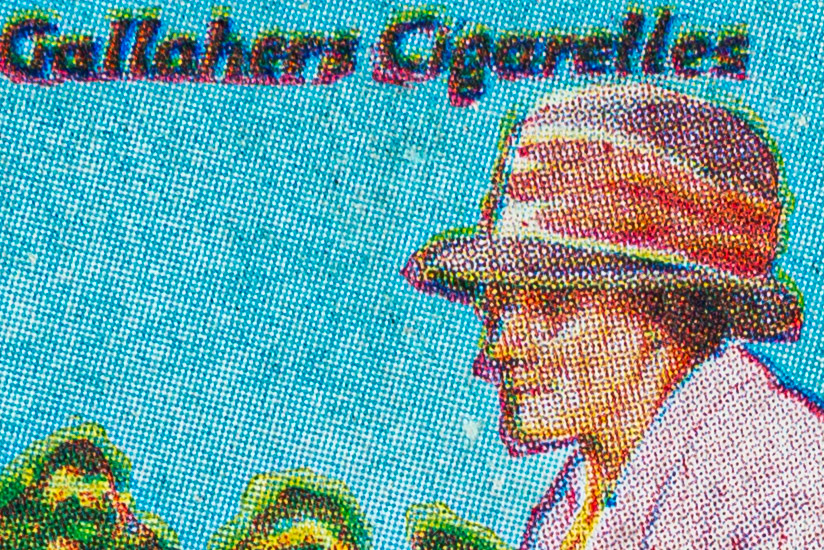
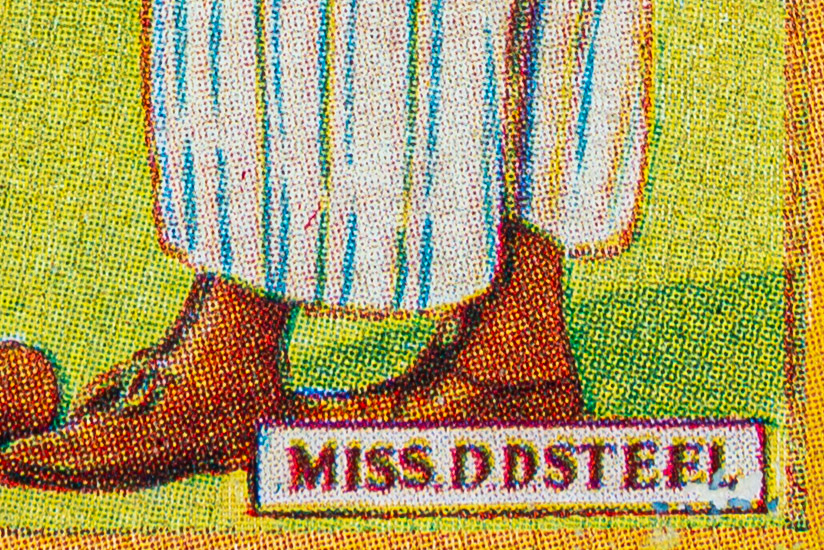
Look closely at the card’s colors, then look back at the New Yorker cover. Same green. Same pink. Same blue. Four years apart, an ocean apart, and somehow the same three crayons.
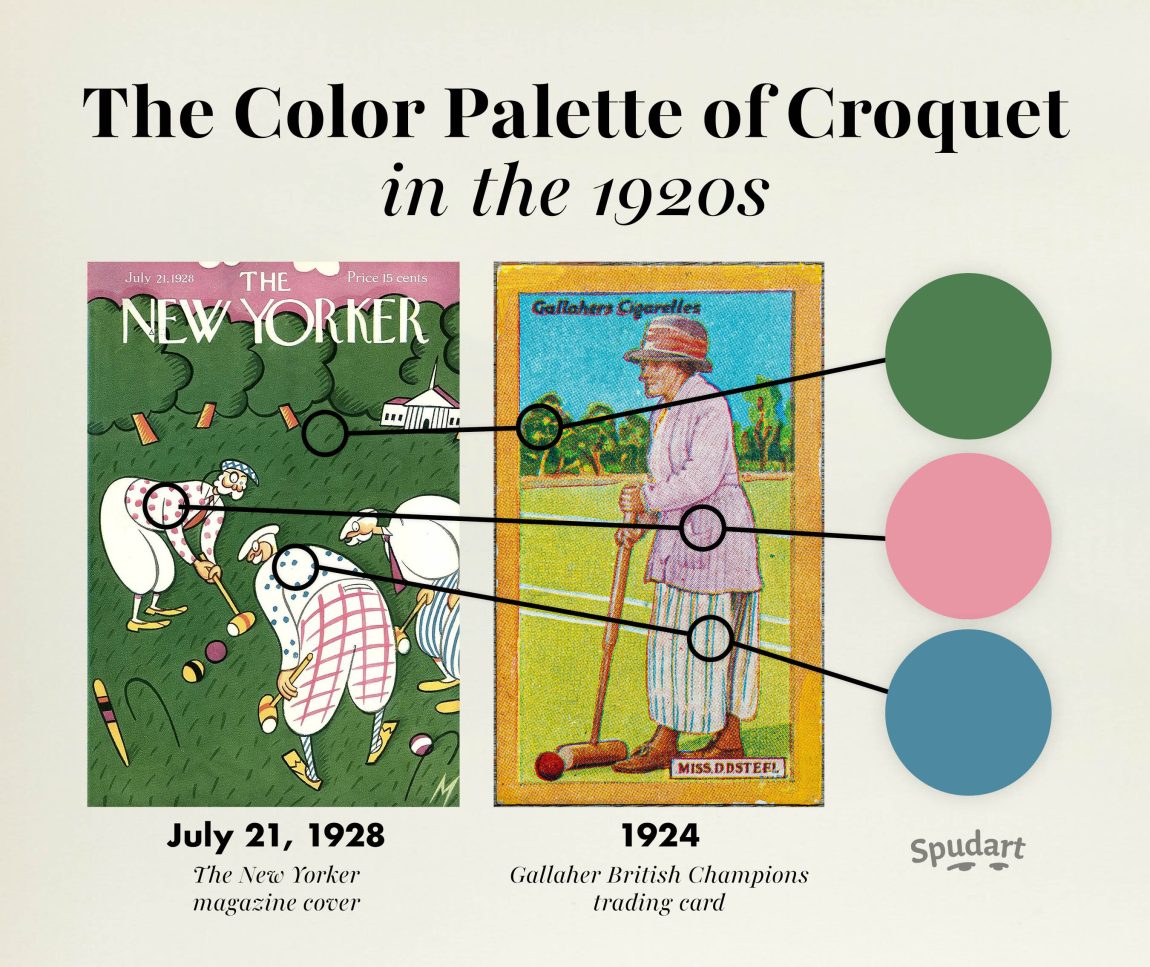
Today, croquet balls are typically blue, red, black, and yellow. And I believe that’s how the balls were normally colored in the 1920s. The artist took some liberty by making the balls purple, to match the color palette.
The illustrator of the New Yorker cover is Julian De Miskey. He’s created 61 covers for the New Yorker. Around the time of this croquet cover, he used a similar color palette for other covers.
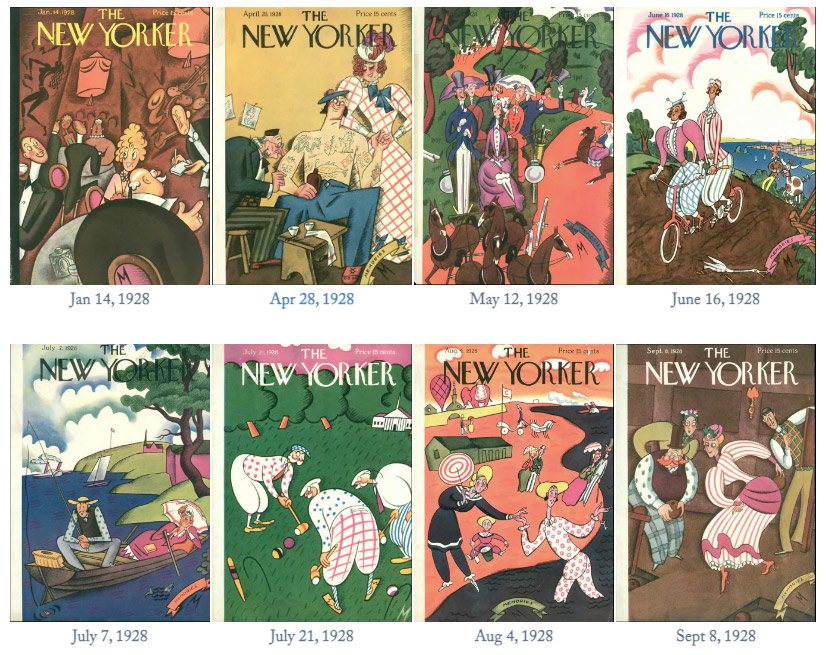
We can see the same pink and blue patterns in the bicycling cover of June 16, 1928. Therefore, we can infer that De Miskey wasn’t trying to recreate the exact colors of croquet balls. He was just illustrating stylistically. In fact, even the topic of croquet was not addressed anywhere in this issue. Not one word about croquet. The sports pages that week covered:
- The upcoming Tunney–Heeney heavyweight fight, five days out
- Polo
- Helen Wills at Wimbledon (for tennis, not croquet)
- Horse racing
- Golf
Croquet wasn’t news that week. Croquet was just on the cover.
Why put croquet on the cover?
The cover was just meant to illustrate men in fashionable attire playing the “quaint” lawn game to playfully contrast with the fast-paced, modern reality of Roaring Twenties Manhattan.
During that time, The New Yorker often used covers to reflected the mood of the week rather than the biggest news. July issues regularly featured beaches, gardens, golf, polo, tennis, boating, and other leisure activities associated with affluent summer life. In the 1920s croquet fits that bill of upper-class recreation. Fancy stuff like country estates, garden parties, and summer weekends.
Julian de Miskey often portrayed these type of elegant, stylized scenes of New Yorkers at play. He wasn’t capturing some real current event.
That aesthetic aligned perfectly with the identity for The New Yorker. The cover wasn’t saying “croquet is today’s big story.” It was saying, “This is the kind of July world our readers imagine themselves inhabiting.”
Flipping from Elegant Croquet to Xtreme Croquet
Two years after this The New Yorker cover, the magazine poked fun at croquet’s supposedly genteel reputation. In 1930, Alexander Woollcott wrote a humorous piece arguing that his version of croquet played on Long Island was surprisingly fierce, far removed from its sedate image.
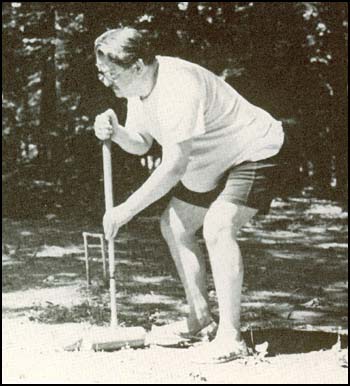
He was a sort of precursor to Xtreme Croquet, except he called his version “Ultra-Modern Croquet”
to call Ultra-Modern Croquet is the difference between passing a man in a race and socking him one in the nose. In Croquet you do not merely excel your neighbor. You damage him, a practice more soothing to certain ternperaments. That, I suppose, is why Croquet induces among its participants such extraordinary rages.
They played a version of the game with no boundaries. You can smack the ball as far as you want, and it’s still in play.
BUT after all, these variations derive their strength from the initial fact that there are no bounds, that your biceps furnish the limit. As far as I know, this expansion of the game was introduced in Englewood, New Jersey, in 1920. It was introduced by Neysa McMein, who in those days used to wear for the purpose a sneaker so much too large for her that she could take a prehensile Piltdown grip on the ball. Therefore was she popularly known as Little Miss Webfoot.
No sidelines. No court limits. If you can hit the ball, it stays in play. Your strength determines how far it goes. That’s very different from regulation croquet. Also, I love how he specifically says who came up with this rule. Neysa McMein in Englewood, New Jersey, in 1920.
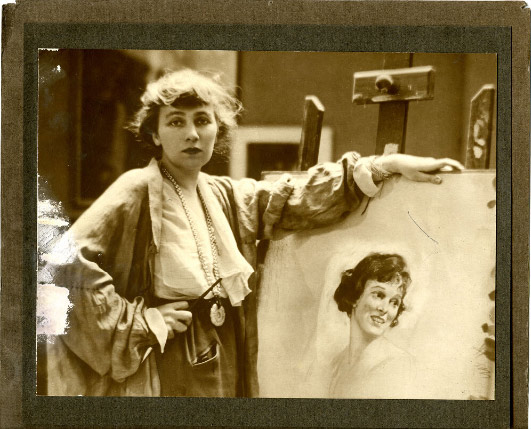
Who is this woman, the precursor of Xtreme Croquet in 1920?
Neysa McMein was the highest-paid and most in-demand female artist of the Jazz Age, who painted scores of magazine covers and created iconic posters in World War I. And she plays Xtreme Croquet with the illustrator of The New Yorker magazine covers. Amazing!
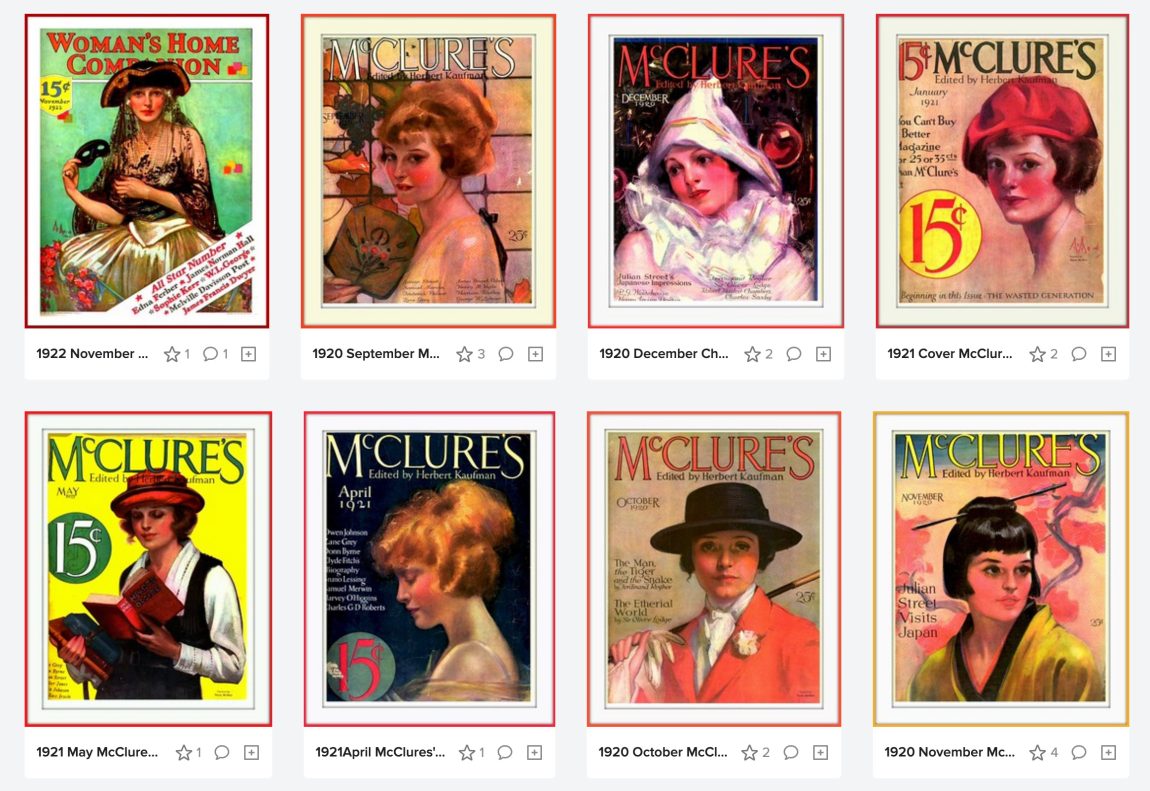
Before her fame, she attended the School of the Art Institute of Chicago. I personally enjoy this Chicago connection.
Despite her fame, the Art Institute of Chicago owns none of her artwork. Which seems odd. She went to their school! (However, art historically, her work is considered more as illustration; thus, the Art Institute wouldn’t necessarily put her in their collection. Although this year they accepted a Norman Rockwell painting as a gift. Thus, they might be opening their doors to early to mid 20th century illustrators.)
A second source for McMein inventing the no-bounds version of croquet comes from The World of Swope by Ely Jacques Khan.
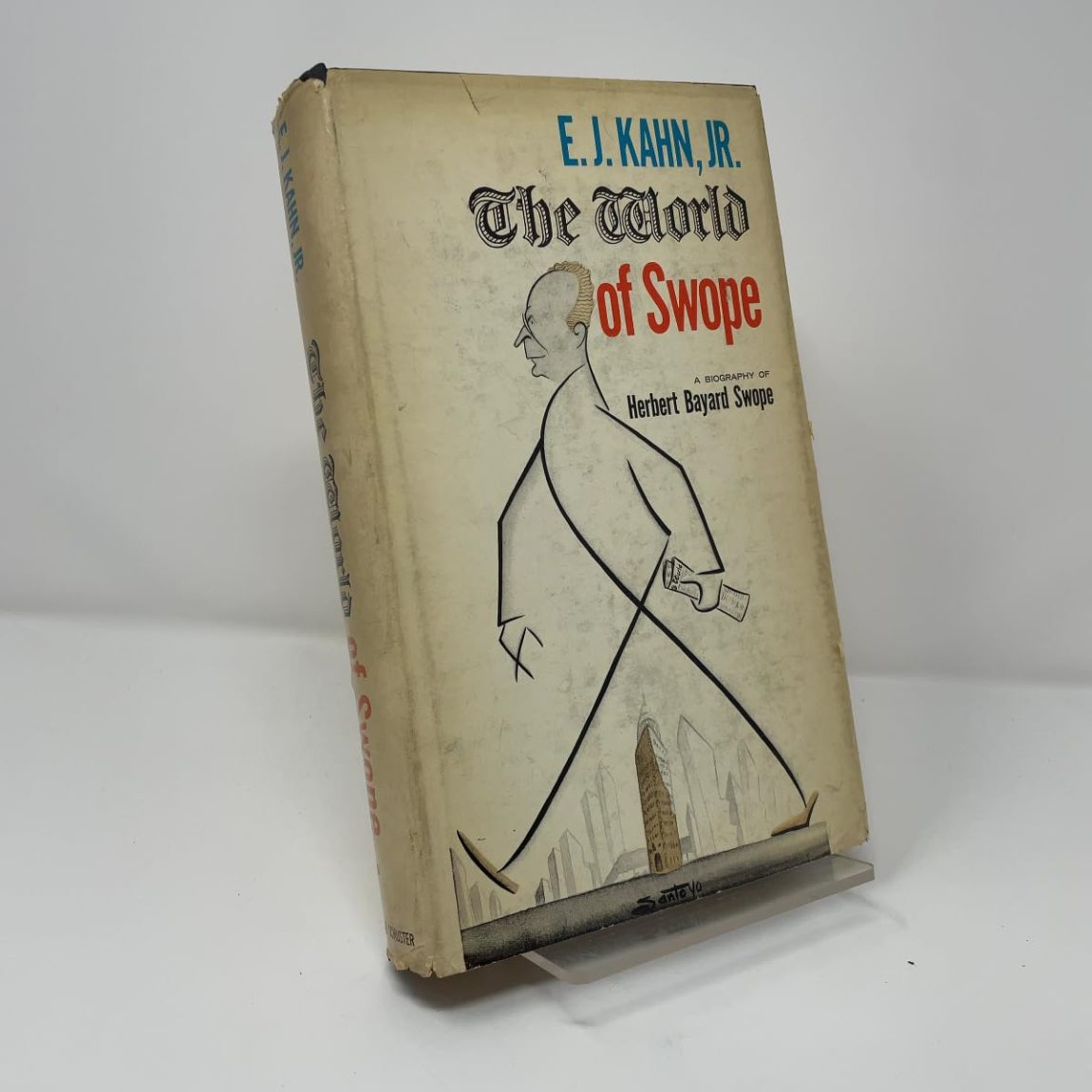
In the book it says McMein who first suggested: “Let’s play without any bounds at all.” This enabled Herbert Bayard Swope (executive editor of the New York World) to say: “It makes you want to cheat and kill… The game gives release to all the evil in you.” Woollcott believed that McMein was the best player.
That phrase, “Let’s play without any bounds at all” is so great. I combined it with a photo of Neysa McMein (changing the flag to a croquet mallet). It’s ready to be printed as a sticker or as a button. I’d love every backyward croquet set to have this sticker. Please print it out, and use it.


There we have the sport of croquet. On one hand, a proper sport with players wearing all white, following the rules. On the other hand, we have Xtreme Croquet that is like WWE meets your backyard. And that sort of dichotomy is what attracted my family to this sport.
On the elegant side, we named our league “Chicago Croquet Squirearchy of Gentlefolk”. On the crazy side, we all had our own on-field monikers. Myself as “The Mauler” wearing a mullet wig, my twin brother as “The Hammer” with his cheese grate mallet, and my cousin as “The Punisher” with the Bloodmatch championship belt.
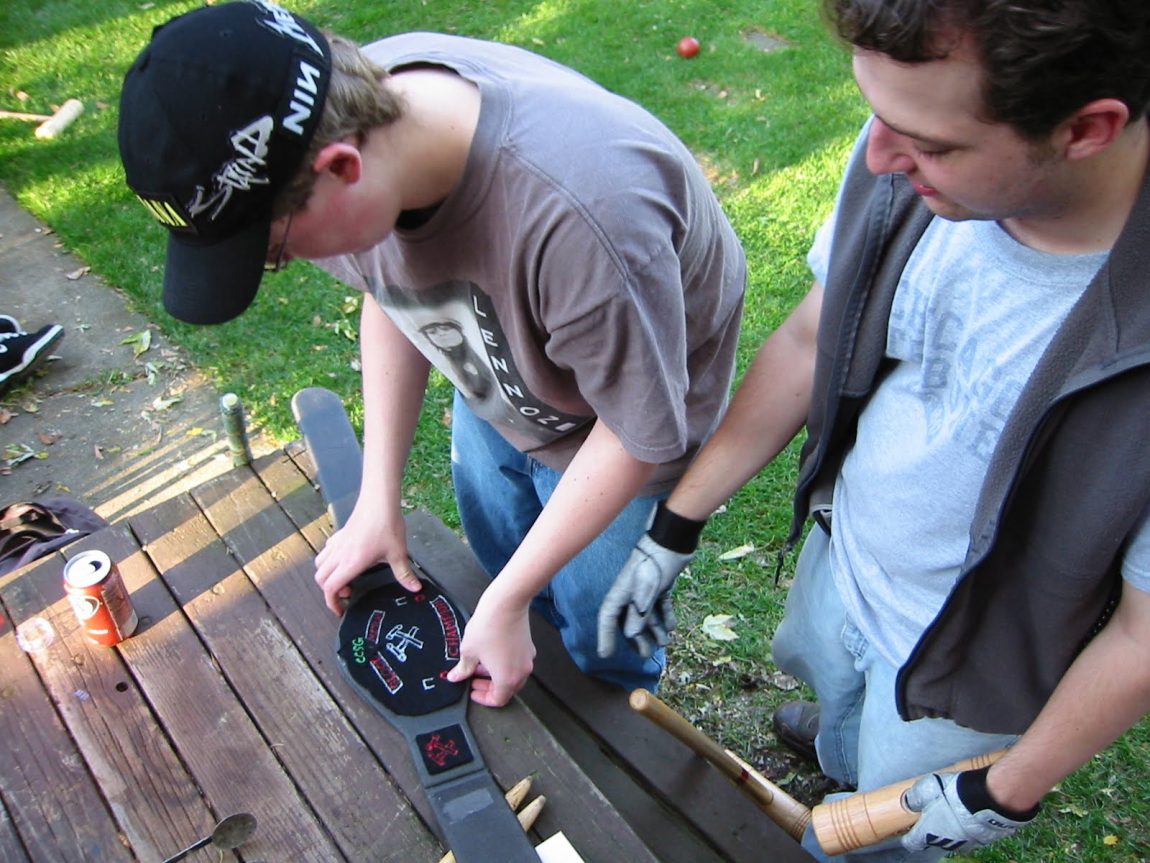
At the start of every game, we would bow properly to the stake. But thereafter it was all chaos. And we have Neysa McMein to thank.
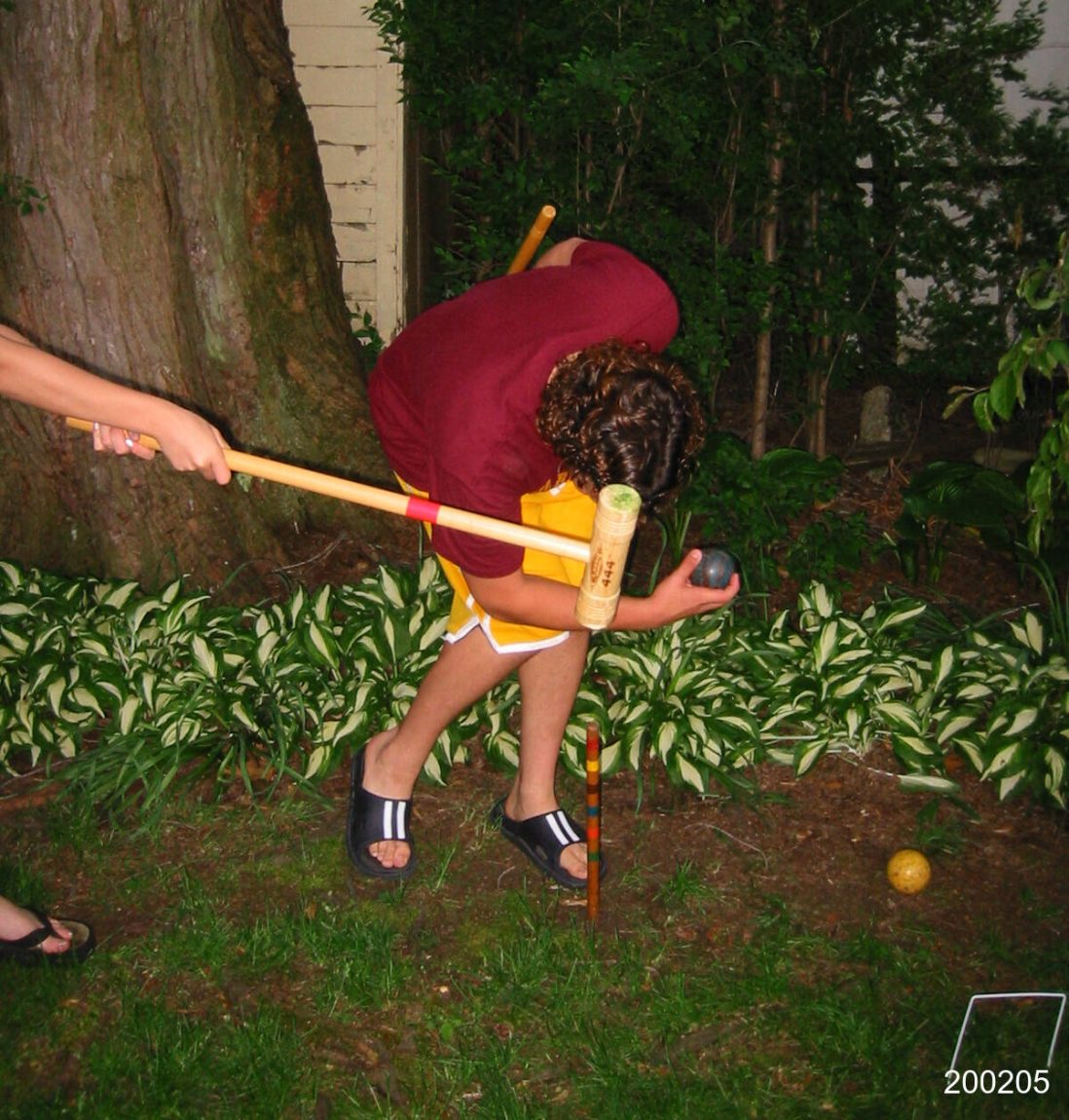
Pink and green forever! I love croquet, it is so civil … when it’s not. I loved to play in our backyard just after I had mowed the grass. If someone got the chance to hit another player’s ball out of bounds (into the woods, into the never-dying oak leaf pile, into the rocks under the deck) they did their best to really launch it far and wide. Good times!
Just wait until I publish my blog post with research about the original color of croquet balls, and when the secondary set of official colors came out. (Just a teaser: pink and green are in the secondary set of colors)
croquet rookie cards! I love it!
And it’s a 102-year-old rookie card.